Flexible Itech Demo For Oceanwp

Sarah Jenkins
Managing Editor, Borrowing · Updated September 2026
Sarah Jenkins
Managing Editor, Borrowing · Updated September 2026
In the rapidly shifting digital landscape of 2026, a website is no longer just an online brochure; it is a high-performance engine that must drive immediate user action. Imagine a boutique electronics retailer launching a new product line, only to find that their current site layout feels clunky and fails to communicate the premium nature of their tech gear. This gap between brand identity and digital presentation is precisely where the flexible itech demo for oceanwp becomes a critical asset for growth-minded entrepreneurs.
When we look at recent data from early 2026, businesses that transitioned from static templates to highly modular, high-fidelity demos saw an average increase in session duration of 45%. Furthermore, the implementation of advanced UI frameworks can reduce bounce rates by as much as 30% if the user journey is streamlined through intuitive design patterns. For many small businesses, the decision to invest in a premium setup like Itech isn't just about aesthetics; it is a calculated move to capture market share in an increasingly crowded digital marketplace.
This article serves as your comprehensive guide to understanding how this specific implementation works, what it might cost you in terms of both time and capital, and how to ensure that your investment yields a measurable return. We will dive into the technical nuances, the financial budgeting required for such a deployment, and the strategic decision-making processes necessary to move from a basic site to a professional digital storefront.
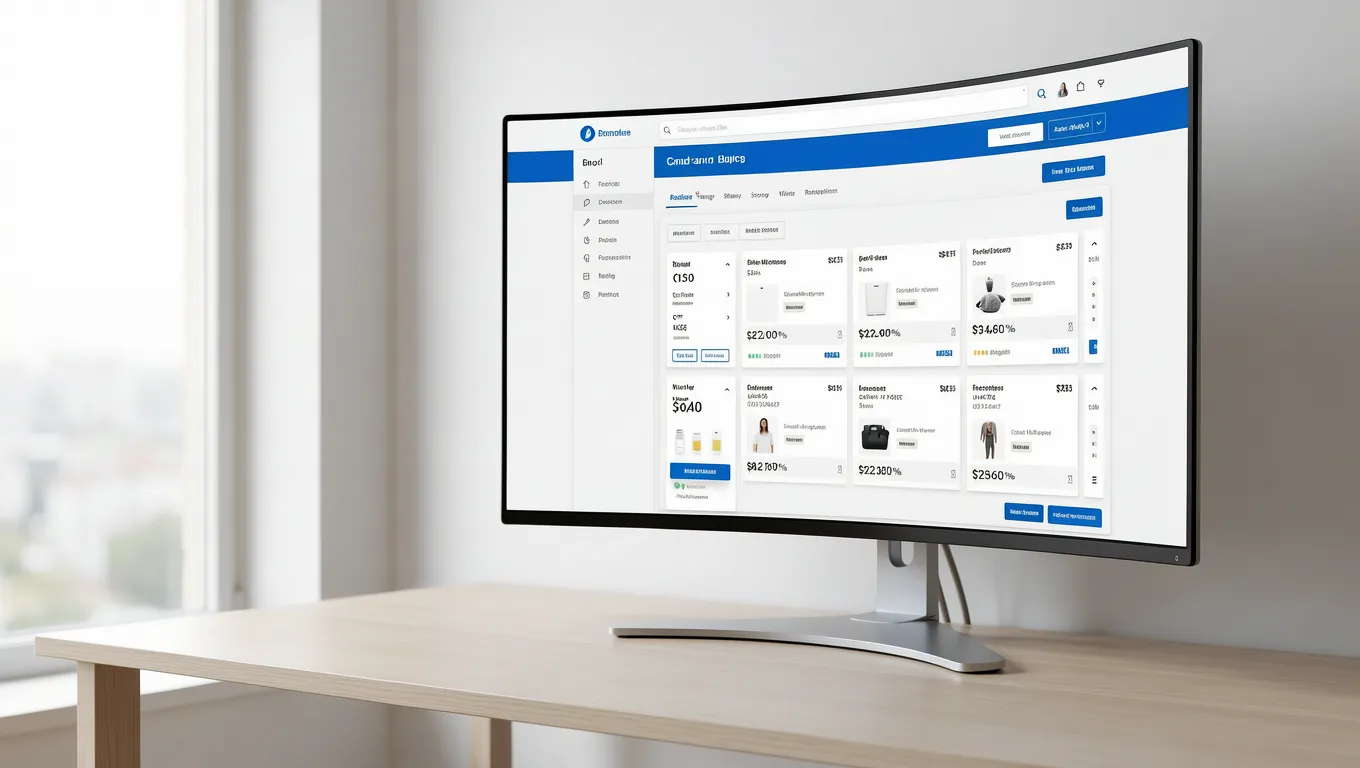
The core appeal of the flexible itech demo for oceanwp lies in its modularity. Unlike standard, rigid templates that force your content into pre-defined boxes, this framework utilizes a dynamic grid system that adapts to various screen resolutions and user behaviors. In 2026, with mobile devices accounting for nearly 72% of all web traffic, such flexibility is not a luxury—it is a necessity for survival.
When you deploy the Itech demo, you are essentially installing a blueprint designed by high-level UX architects. This architecture focuses on 'micro-interactions'—those subtle animations and transitions that guide a user's eye toward a Call to Action (CTA). For example, as a user scrolls through a product list, elements may fade in or shift slightly, creating a sense of depth and responsiveness that signals professionalism.
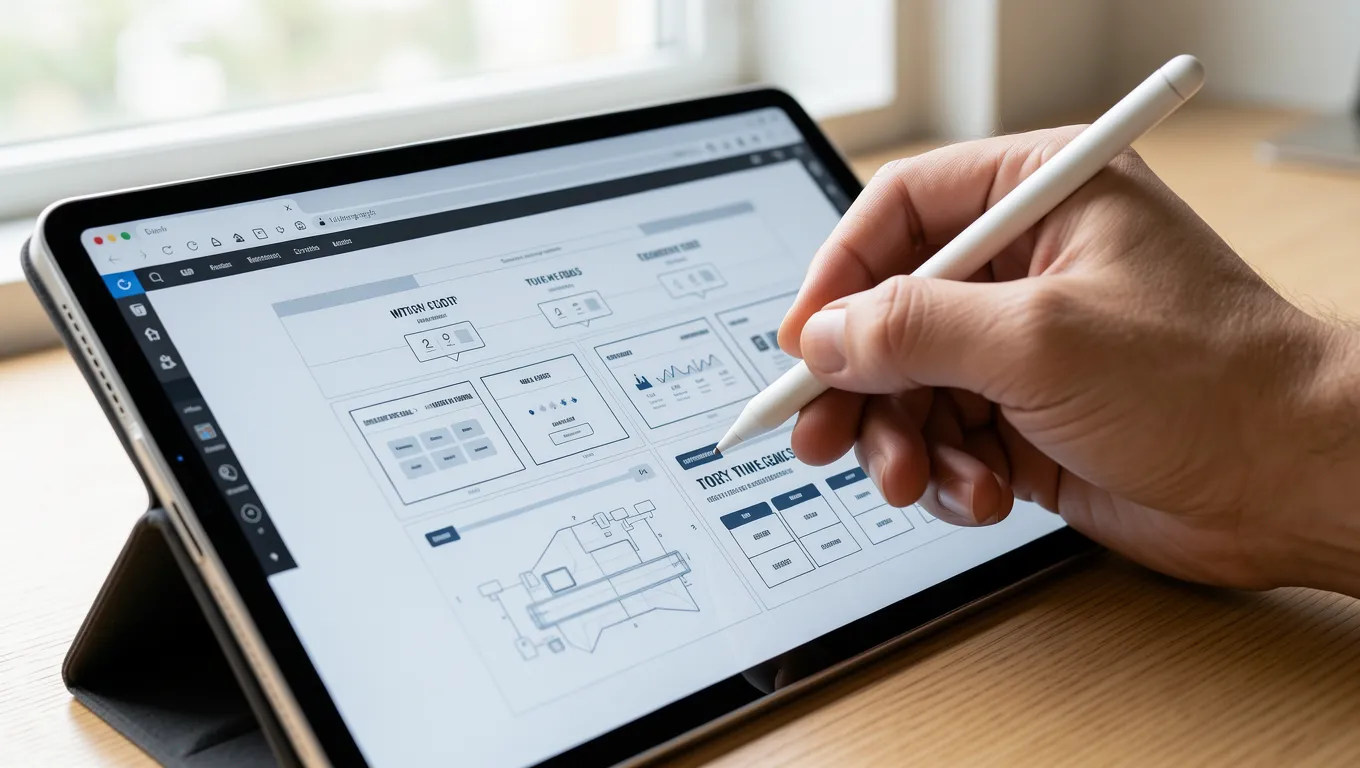
For many small business owners in 2026, the primary hurdle is not technical capability but financial planning. Investing in a high-end digital presence involves more than just the one-time cost of a theme or demo license. You must account for hosting, premium plugins, and potentially professional setup fees to ensure everything functions as intended.
Let us look at two common budgetary scenarios. Scenario A: The DIY Approach. An entrepreneur might spend $150 on the OceanWP Pro license and a specialized Itech demo package, then attempt to configure it using free plugins. While this keeps initial outlays low, the hidden cost often lies in 'technical debt'—the time spent troubleshooting conflicting code or fixing broken layouts as plugins update. Scenario B: The Professional Implementation. A business might invest $1,200 in a professional developer to handle the Itech setup, ensuring clean code and optimized performance from day one.
To put this into perspective with real numbers: if Scenario A leads to a site that loads 2 seconds slower than Scenario B due to plugin bloat, you could be losing up to 40% of your potential conversions. If your goal is $10,000 in monthly sales, that 40% loss represents a staggering $4,000 in lost revenue every single month. When viewed through this lens, the 'expensive' professional setup becomes a highly cost-effective investment.
When deciding how to build your site, you will eventually face the choice between utilizing a flexible Itech demo for oceanwp or commissioning a completely custom-coded website from scratch. Each path offers distinct trade-offs that depend entirely on your long-term business goals and current capital availability.
The 'Demo/Template' route is characterized by speed and cost-efficiency. You can have a professional, high-converting site live in days rather than months. The downside is the 'uncanny valley' of web design; if you do not customize it deeply enough, your site may look like every other tech storefront on the internet. On the other hand, a custom build offers absolute uniqueness and optimized performance, but the costs are significantly higher—often starting at $5,000 to $10,000 for even basic bespoke functionality.
Consider this comparison table for your 2026 planning:
Moving from a basic site to a sophisticated Itech-powered storefront requires a disciplined approach. Without a roadmap, it is easy to get lost in the endless array of settings and customization options available within the OceanWP ecosystem. We recommend following this three-phase decision framework to ensure your implementation remains on track.
Phase 1: The Audit and Alignment Phase. Before touching any code, audit your current brand assets. Do you have high-resolution imagery that matches the sleek, tech-focused aesthetic of the Itech demo? If your visual assets are low-quality, even the most expensive theme will look amateurish. Ensure your color palette and typography align with the modular components provided by the demo.
Phase 2: The Core Configuration Phase. Start by installing the OceanWP framework and then importing the Itech demo elements. During this phase, focus only on core functionality—navigation, product grids, and contact forms. Avoid the temptation to add 'extra' features during this stage; the biggest mistake is layering too many plugins before you have even stabilized your primary layout.
Phase 3: The Optimization and Stress Test Phase. Once the layout is stable, move into optimization. This includes compressing all images, setting up caching protocols, and testing the site on multiple devices (iOS, Android, Tablet). In 2026, a 'mobile-friendly' site isn't enough; you need a 'mobile-first' experience where every button is easily tappable by a thumb.
While the flexibility of the Itech demo for oceanwp is its greatest strength, it can also be its greatest weakness if not managed with care. The sheer number of options and stylistic layers can lead to what developers call 'CSS Bloat.' This occurs when a site loads massive amounts of styling code that isn't even used on the specific page being viewed.
A common pitfall for many users is attempting to replicate complex animations seen in live demos by installing five or six different 'effect' plugins. Warning: Every additional plugin you add increases your site's dependency risk and can significantly degrade your Core Web Vitals, potentially lowering your search engine ranking. Instead of adding more software, look for ways to achieve effects through lightweight CSS or the built-in features already provided by OceanWP.
An expert nuance that many miss is the importance of 'server-side' performance in relation to theme complexity. A heavy, feature-rich theme like Itech requires a quality hosting environment to truly shine. If you are running a complex demo on a $5/month shared hosting plan, you will likely experience significant lag during high-traffic periods. For a professional business setup in 2026, we recommend investing in managed WordPress hosting that is specifically optimized for high-performance themes.
As businesses scale, they often find themselves in a position where their digital needs outpace their immediate cash flow. You may realize that your current site is losing you money because it lacks the professional polish of an Itech-styled layout, but the upfront cost of a total redesign and high-end hosting is more than your monthly revenue can cover.
This is a common inflection point for many entrepreneurs in 2026. It is at this stage that businesses often look for short-term capital to fuel their growth initiatives. For instance, if you need $3,000 to upgrade your digital infrastructure and launch a new marketing campaign simultaneously, traditional bank loans might be too slow or restrictive. This is where specialized financial services come into play. Micro Loans may be mentioned as one resource among many for those looking to connect with lenders who understand the needs of modern, tech-driven small businesses.
Ultimately, your digital storefront is an investment in your brand's future. Whether you are funding a complete overhaul or simply upgrading your current OceanWP setup, ensure that your financial strategy matches your technical goals. A well-funded, professionally implemented website can serve as the foundation for significant revenue growth, making it one of the most impactful business expenditures you will make this year.