How To Create A Monthly Budget Step By Step For Beginners

Sarah Jenkins
Managing Editor, Borrowing · Updated October 2026

Sarah Jenkins
Managing Editor, Borrowing · Updated October 2026
Imagine it is the middle of the month, and Sarah, a marketing professional earning $3,800 after taxes, realizes she has already spent 75% of her discretionary income. Despite having a stable job in 2026, the money seems to vanish into thin air. This scenario is incredibly common; in fact, many financial studies suggest that nearly 40% of households live paycheck to paycheck because they lack a formalized tracking system. Without a plan, you are essentially flying blind through your own financial life.
This guide is designed to change that. We will walk you through the exact process of building a sustainable budget from scratch, moving from total confusion to complete clarity. By the end of this article, you will know how to categorize your spending, choose a framework that fits your personality, and build a buffer for life's inevitable surprises. You will learn how to make informed decisions about whether to prioritize debt repayment or savings, ensuring every dollar has a specific purpose.
As we dive into the mechanics of budgeting in 2026, keep a few realities in mind. For instance, while many aim for an emergency fund covering three to six months of expenses, starting with a goal of just $1,000 can provide immediate peace of mind. Additionally, interest rates vary wildly; you might see credit card APRs hovering around 21% or higher, making debt management a critical part of your monthly math. Finally, remember that budgeting is not about restriction, but about intentionality—it's the tool that allows you to say 'yes' to what matters by saying 'no' to what doesn't.
Note: This article provides educational information and does not constitute financial advice.
The most common mistake beginners make is attempting to budget based on what they think they spend, rather than what they actually* spend. To build an accurate roadmap, you must first conduct a historical audit of your finances. Look back at your bank statements from the last three months. This period provides a realistic average that accounts for fluctuations in utility bills or grocery costs.
Start by listing every single inflow and outflow. In 2026, many people find success using digital transaction exports from their banking apps to populate a spreadsheet. You will likely discover several 'hidden' expenses you had forgotten about. For example:
Once you have this data, categorize them into two primary buckets: fixed and variable. A fixed expense is something that remains relatively constant, such as your $1,200 rent payment or a $45 internet bill. A variable expense changes month to month, like your $350 grocery bill or $100 in fuel costs. The biggest pitfall at this stage is neglecting the 'small' stuff; those $5 transactions can add up to hundreds of dollars over a year, effectively draining your ability to save.
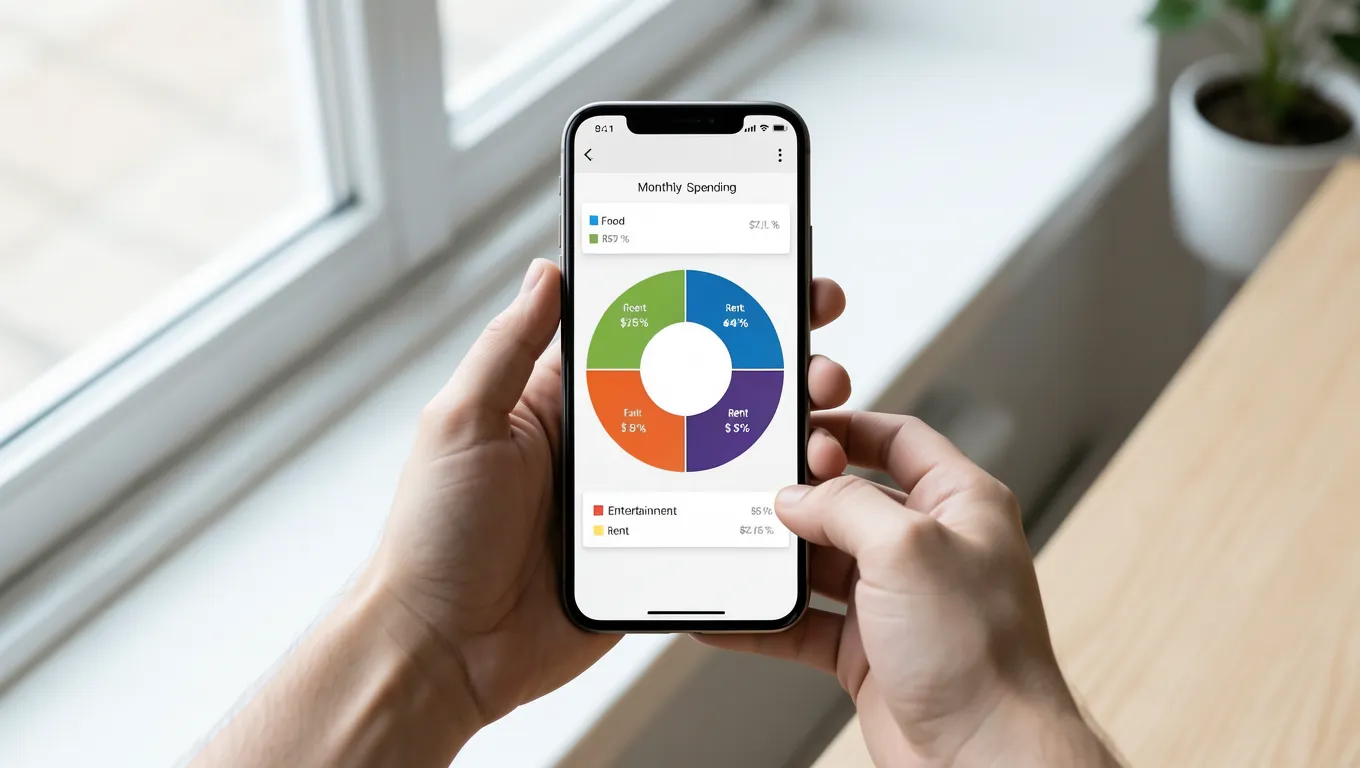
Not all budgets are created equal. You need a system that you can actually stick to, which means choosing between different methodologies based on how much control you desire. There are two heavyweights in the budgeting world: Zero-Based Budgeting and the 50/30/20 Rule. Both have distinct trade-offs depending on your financial personality.
The 50/30/20 rule is perfect for those who want simplicity. Under this framework, you allocate 50% of your after-tax income to 'needs' (housing, utilities, groceries), 30% to 'wants' (dining out, hobbies), and 20% to savings or debt repayment. For example, if your take-home pay is $4,000:
In contrast, Zero-Based Budgeting requires that every single dollar is assigned a job until your income minus your expenses equals exactly zero. If you earn $4,000, you assign all $4,000 to various categories like rent, food, savings, and even 'miscellaneous' so that nothing is left unassigned. While this method offers maximum control and is excellent for those with tight margins, it can be time-consuming and may feel restrictive if you are a spontaneous spender. The trap here is becoming so obsessed with perfection that you abandon the process entirely when an error occurs.
Once you have chosen your framework, it is time to do the heavy math. This is where many beginners feel overwhelmed, but the process becomes much simpler when you break it down into mathematical components. You must separate what you must pay from what you choose to pay. This distinction is vital for maintaining liquidity during lean months.
Let's look at a real-world example of how debt fits into this equation. Suppose you have a personal loan used for home repairs. If you have a $10,000 loan at 12% APR over 36 months, your monthly payment is approximately $332. This payment is a 'need' because it is a legal obligation that affects your credit score and long-term financial health. Failing to account for this in your initial budget phase is a recipe for disaster.
Expert nuance often suggests looking at your debt-to-income ratio, a metric frequently used by lenders like Experian to determine creditworthiness. If your total monthly debt payments (including that $332 loan) consume too much of your income, you may find it difficult to meet other obligations. To keep this in check, try this decision framework:
No matter how meticulously you plan, life is unpredictable. A sudden car repair or a medical bill can derail even the most disciplined budget. This is why professional financial advisors emphasize the importance of 'sinking funds' and emergency buffers. Instead of treating an annual $600 car insurance increase as a surprise, you should divide that cost by 12 and save $50 every month specifically for it.
Creating a buffer involves setting aside money in a separate account dedicated solely to the unexpected. If you are currently struggling with cash flow due to an unforeseen emergency, Micro Loans may serve as a resource to help bridge those gaps while you recalibrate your monthly plan. However, utilizing credit should be seen as a temporary measure rather than a long-term strategy for managing daily life.
Consider the difference between two approaches to emergencies:
A budget is not a 'set it and forget it' document; it is a living, breathing tool. To ensure success in 2026, you must implement a regular review process. I recommend a two-tiered approach: a weekly check-in and a monthly deep dive. The weekly check-in should take no more than ten minutes, simply to see if you are staying within the limits for your variable categories like groceries or dining out.
The monthly deep dive is where the real magic happens. At the end of every month, sit down with your bank statements and compare your actual spending against what you originally budgeted. This is where you will find your discrepancies. For example, if you budgeted $400 for groceries but actually spent $520, you need to investigate why. Did food prices rise? Did you eat out more than expected? Understanding the 'why' behind the variance allows you to adjust your budget for next month.
Use this decision framework when adjusting:
Even with the best intentions, many beginners fall into predictable traps. One of the most dangerous is 'Lifestyle Creep.' This occurs when you receive a raise or a bonus and immediately increase your spending to match your new income level. While it feels rewarding, this behavior prevents you from ever building significant wealth because your savings rate remains stagnant despite higher earnings.
Another common pitfall is underestimating the cost of small, recurring expenses. It is easy to ignore a $12 monthly subscription or a $5 app fee, but these are 'silent killers' of a budget. If you have ten such subscriptions, that is $120 a month—money that could be going toward your high-interest debt or your savings account.
Finally, avoid the temptation to create an overly restrictive budget. If you set a goal to spend zero dollars on entertainment, you are almost certain to fail. A successful budget must allow for some level of enjoyment; otherwise, the psychological strain will cause you to abandon the plan entirely during a moment of stress. Instead, build in 'fun money' as a legitimate category. This makes your budget sustainable and helps you stay committed to your long-term financial goals.