The Impact of Inflation on Grocery Budgets and How to Offset Rising Costs

Elena Rodriguez
Certified Financial Planner · Updated October 2026
Elena Rodriguez
Certified Financial Planner · Updated October 2026
In early 2026, a typical family of four might notice that their standard weekly grocery run has climbed from $180 to nearly $215 without any change in the items they are purchasing. This sudden shift can feel like a slow leak in a household budget, where money seems to vanish into thin air before it even reaches the pantry. Inflation is not just an abstract economic concept discussed on news networks; for many, it is a tangible reality felt every time they scan their loyalty card at checkout.
Understanding this phenomenon requires looking at more than just price tags. It involves examining how fuel costs, labor shortages, and global supply chain shifts converge to raise the cost of even the most basic staples like milk or bread. In 2026, these factors have created a unique environment where consumers must be more intentional with their spending than ever before. This article will provide you with actionable strategies to regain control over your food budget and help you navigate these rising costs effectively.
When we look at the data from recent consumer price indices, it is clear that food inflation often moves at a different pace than general inflation. For instance, while overall inflation might sit at 3%, certain grocery categories can spike by 7% or even higher depending on the season and regional availability. This volatility means that a strategy used six months ago might not be effective today. By understanding these nuances, you can move from being a passive victim of price hikes to an active manager of your household finances.
The sensation that your cart is getting lighter while the total at checkout gets heavier is backed by significant economic data. In 2026, several compounding factors are driving this trend. First, there is the 'logistics tax'—the rising cost of diesel and transportation that must be paid before a product ever reaches your local supermarket shelf. Second, labor costs in the agricultural sector have seen steady increases to keep up with living standards, which eventually trickles down to the consumer.
It is also important to look at the concept of 'sticky prices.' This occurs when certain goods, like milk or eggs, stay at a high price point even if their production costs temporarily drop. This means that as soon as inflation hits, prices tend to move upward quickly, but they rarely return to previous levels just as fast. This asymmetry can make it feel like the cost of living is only ever moving in one direction.
To manage this, you must recognize which categories are most volatile. Typically, fresh produce and meat show the highest fluctuations, whereas pantry staples like flour or rice may remain more stable for longer periods. Understanding these patterns allows you to time your larger purchases when prices appear to be at a seasonal low.
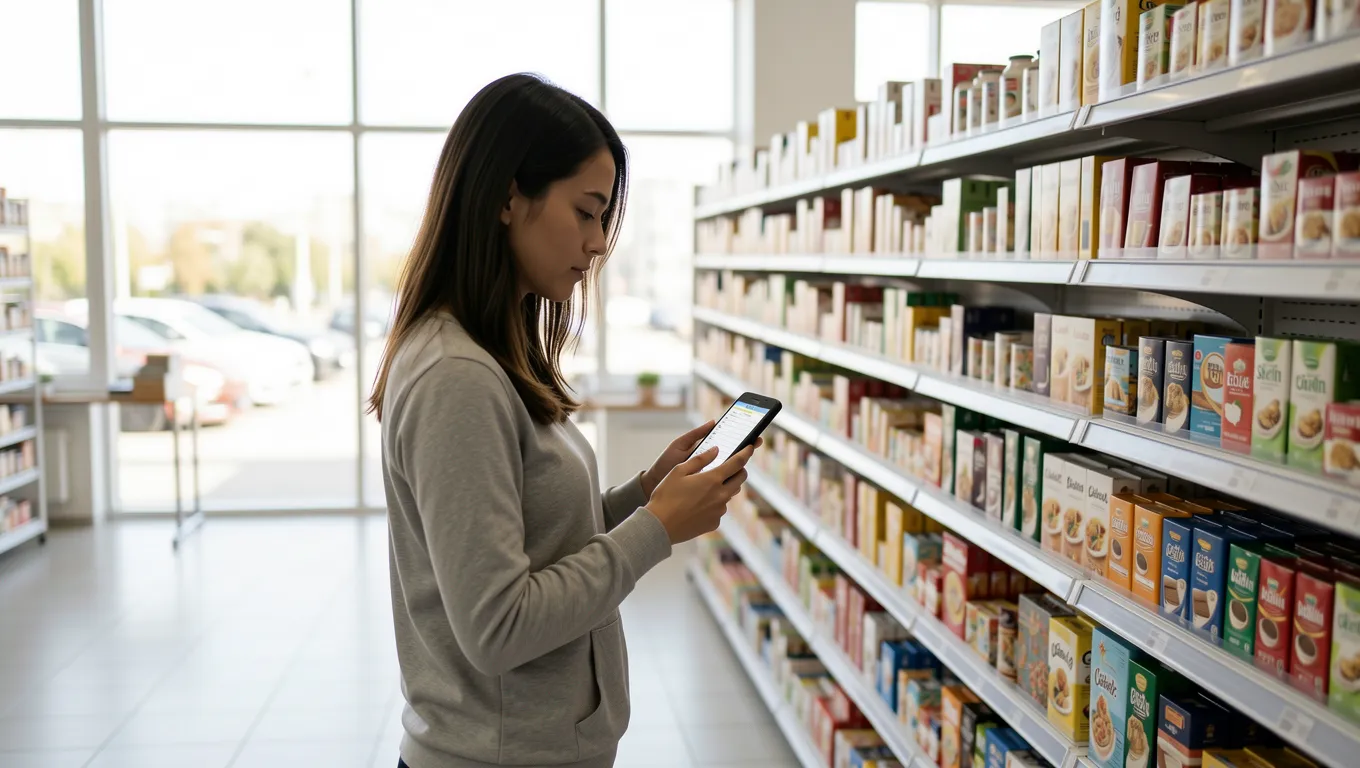
Beyond simple inflation, many consumers in 2026 are encountering 'shrinkflation' without even realizing it. This is a subtle tactic where manufacturers reduce the size or weight of a product while maintaining the same price point. You might find that your favorite box of cereal now contains only 14 ounces instead of the 16 ounces you were used to, effectively raising the price per ounce significantly.
Expertise in grocery shopping requires looking past the big label and focusing on the 'unit price' found on the shelf tag. This is often a small number located near the barcode that tells you how much you are paying per ounce or per gram. Many people overlook this, assuming the larger package is always the better deal. However, due to shrinkflation, sometimes the smaller package actually offers a better value.
To stay ahead of these shifts, consider these tips:
A common debate in personal finance is whether it is better to buy in bulk or stick to smaller, more frequent trips. Let us look at a real-world comparison using 2026 pricing models. Imagine you are buying rice. A standard 1kg bag might cost $2.50, while a large 5kg sack costs $10.00.
At first glance, the 5kg sack seems like a deal because you get more for your money. However, let us do the math: the 1kg bag is $2.50 per kilo, whereas the 5kg sack is only $2.00 per kilo. In this scenario, bulk buying saves you $0.50 per kilo. But there is a catch: if that 5kg sack sits in your pantry and attracts pests or becomes stale before you can finish it, you have actually lost money.
The trade-off is simple: Bulk buying offers lower unit costs but requires higher upfront cash flow and perfect storage conditions. For items with long shelf lives like pasta, rice, or canned goods, bulk buying is almost always the winner. For highly perishable items like berries or leafy greens, sticking to smaller portions often prevents expensive food waste.
To combat rising costs, you need a system. Instead of walking into a store and reacting to what looks good, use this three-step audit framework:
Step one is the Inventory Phase. Before you write a list, go through your cupboard and fridge. Note exactly how many cans, grains, and frozen items you have left. Many people find they are sitting on $50 worth of ingredients they already own but simply forgot about.
Step two is the Meal Mapping Phase. Instead of deciding what to eat based on cravings, decide what to eat based on your inventory. If you have half a jar of marinara and a box of pasta, that is your meal for Tuesday. This reduces 'impulse buys' which are often the biggest contributors to grocery budget creep.
Step three is the Targeted List Phase. Only write down the items you actually need to complete your planned meals. Avoid the temptation to add 'just one more thing' when you see a sale. By following this rigid structure, you can reduce your monthly grocery spend by as much as 15% without changing your diet.
Even with a perfect plan, inflation-driven spikes can sometimes cause temporary cash flow issues. If an unexpected rise in food costs coincides with other rising utility bills, you might find yourself short on funds before your next paycheck arrives. In these moments, some people look into short-term financial tools like personal loans to bridge the gap for essential needs.
For example, if you needed a small amount of liquidity to cover an unexpected month of high expenses, consider how the math works. A $1,500 loan at 14% APR over 12 months would result in monthly payments of approximately $136. While this can provide immediate relief, it is vital to remember that repayment terms and interest rates vary significantly depending on your credit profile and the lender.
Micro Loans may be a resource you use to compare different lending options available to you in 2026. However, always ensure that any borrowed funds are used strictly for essential needs and that you have a clear plan to repay the balance to avoid long-term debt cycles.
Discount supermarkets are excellent tools for saving money, but they can also be traps if you aren't disciplined. The primary pitfall is the 'perceived value' trap. A store might offer a 3-for-$5 deal on yogurt, making it feel like a steal. However, if you only needed one container and end up throwing two away because they expired, you have spent more than if you had just bought one at full price.
Another mistake is the 'brand loyalty' trap. Many shoppers stick to name brands out of habit, even when the store brand (or private label) is identical in ingredients and quality. In 2026, many high-quality store brands have improved their formulations significantly.
For related paths to funding, many readers also explore bad credit loans and personal loans with low credit score.