The Impact of Inflation on Grocery Shopping and How to Offset Rising Costs

Marcus Thorne
Senior Loan Analyst · Updated October 2026
Marcus Thorne
Senior Loan Analyst · Updated October 2026
Imagine standing in the checkout line in 2026, scanning your items only to find that your weekly basket—the same one you bought just twelve months ago—has cost you nearly $45 more. This is not a hypothetical scenario for many; it is the reality of 'sticky inflation' where food prices remain elevated even as other sectors stabilize. As we navigate 2026, understanding why your grocery bill feels like an ever-expanding target is essential for maintaining household stability. In this article, you will learn how to identify hidden cost drivers in your shopping cart and discover actionable strategies to reclaim control over your food budget.
The economic landscape of 2026 has shown that even when the Federal Reserve manages interest rates, consumer costs in the grocery aisle can behave differently due to complex supply chain dynamics. For example, while general inflation might show a cooling trend, specific categories like dairy or poultry may still see year-over-year increases of 5% to 8%. Many families find themselves managing these sudden spikes by adjusting their liquid savings or, in some cases, looking for short-term liquidity options. It is worth noting that personal loans used as temporary buffers often feature APR ranges from 10% to 36% depending on the lender and your specific credit profile. Understanding these numbers helps you differentiate between a temporary cash flow hiccup and a long-term budgeting necessity.
To effectively combat rising costs, you cannot simply rely on 'buying less.' You must change how you buy. This requires a shift from reactive shopping—buying what looks good in the moment—to proactive management of your pantry and your wallet. We will explore everything from the psychological tricks used by retailers to the mathematical advantages of bulk buying versus unit pricing, ensuring you have the tools to navigate 2026's economy with confidence.
A common frustration for shoppers in 2026 is the feeling that they are buying the exact same brands and quantities, yet the total at the bottom of the receipt continues to climb. This phenomenon is often driven by 'input inflation.' It's not just about the price of the milk; it is about the rising cost of the fuel used to transport the milk, the electricity required for the dairy farm, and the plastic used for the packaging. When every component of a product becomes more expensive, the final retail price reflects that cumulative pressure.
Furthermore, global supply chain shifts can cause sudden volatility in specific commodity prices. For instance, a drought in a major grain-producing region might not change the price of bread immediately, but it will impact the cost of animal feed, which eventually flows down to the price of eggs and meat. This 'lag effect' means that even when news reports suggest inflation is cooling, you may still see grocery prices climb for several months as those costs ripple through the economy.
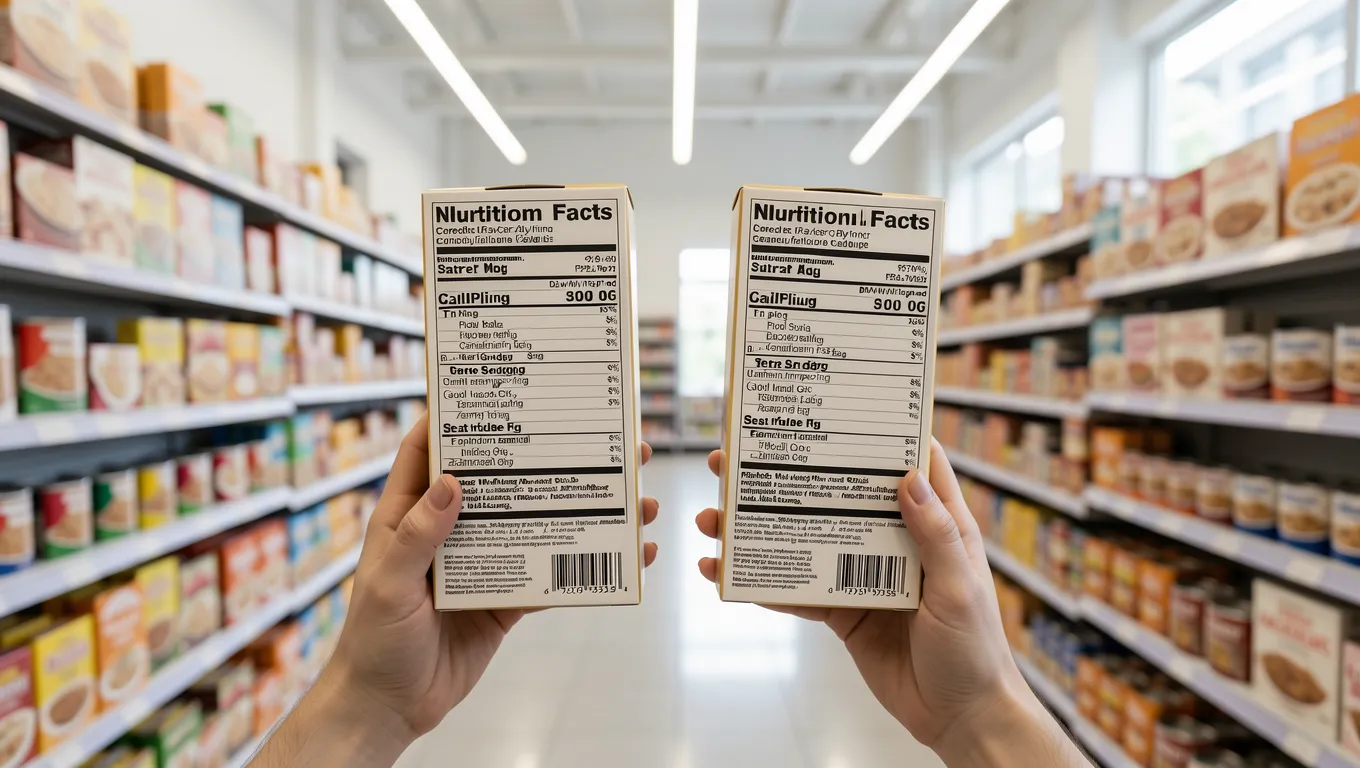
If you feel like your favorite cereal box looks a little 'slimmer' or your yogurt container seems less full, you are likely experiencing shrinkflation. This is a subtle way for manufacturers to offset rising production costs without raising the sticker price—a move that often bypasses consumer scrutiny more effectively than a direct price hike. In 2026, as retailers fight to keep prices competitive, this tactic has become a primary tool for maintaining profit margins.
Consider a standard box of breakfast cereal. If the manufacturer reduces the weight from 18 ounces to 15 ounces but maintains the $4.99 price point, they have effectively increased the price by 20% without changing the label's prominent cost. This is a psychological game designed to keep you reaching for the same brand while quietly eroding your purchasing power. The most dangerous mistake shoppers make is comparing the total price of two items rather than their unit price.
To protect yourself, you must become an expert at reading the small print on the shelf tag. Most modern supermarkets include a 'unit price' (e.g., $0.25 per ounce) in small text near the main price. This is your most powerful weapon against shrinkflation. By comparing the unit price of a 15-ounce box versus an 18-ounce box, you can see through the marketing and make a truly informed decision about which product offers the best value for your hard-earned money.
When faced with rising food costs, many consumers instinctively reach for the largest container available, assuming it is the best deal. However, in 2026, the math isn't always that simple. To make an informed decision, you must weigh the immediate cost against your actual consumption rate and storage capacity.
Let's look at a concrete comparison between two common shopping scenarios:
An honest comparison requires looking at both the unit price and your household's consumption patterns. Bulk buying is highly effective for non-perishable staples like pasta, canned goods, and grains. However, for perishables like berries or leafy greens, 'buying in bulk' can actually lead to higher costs if you end up throwing away half of what you purchased. Always ask yourself: 'Can I use this entire quantity before it expires?' If the answer is no, the smaller, more expensive unit price might actually be your cheapest option in the long run.
To effectively offset rising costs, you need a systematic approach rather than random acts of frugality. Instead of wandering the aisles hoping to find deals, follow this three-step framework designed to maximize your grocery budget efficiency.
In an increasingly fast-paced world, convenience is a premium product. However, in 2026, the 'convenience tax' has become significantly more expensive due to inflation. We often pay for labor and packaging rather than just the food itself.
Consider this practical example: A busy professional might purchase pre-washed, pre-cut salad kits every workday. At an average of $7.00 per kit, a five-day work week results in a $35.00 expenditure on salads alone. Alternatively, if that same person buys whole heads of lettuce, carrots, and a large bottle of dressing, the cost for those same ingredients might only be $12.00 for the entire week. The difference is $23.00—a significant amount when multiplied across twelve months.
While time is valuable, it's essential to recognize where you are paying for convenience and whether that trade-off is worth the financial impact on your long-term goals. A common pitfall is failing to account for the 'hidden' costs of pre-packaged meals, which often contain higher sodium and sugar levels that can lead to secondary health costs later. To find a balance, try the 'halfway approach.' Instead of buying fully prepared meals, buy ingredients that are partially processed—like bagged slaw or peeled garlic—to save time without paying the full premium for someone else's labor. This allows you to maintain a healthy diet and a manageable budget simultaneously.
While strategic shopping can mitigate the effects of inflation, it cannot eliminate them entirely. Economic shifts are often outside an individual's control, and sudden spikes in essential goods can disrupt even the most carefully constructed budgets. Building resilience means having a plan for when your grocery bill exceeds your monthly projections.
The first line of defense is an emergency fund specifically tailored to high-frequency expenses like food and fuel. However, if you find yourself facing a temporary gap due to an unexpected price surge or a sudden change in income, it is important to know what tools are available. Some people look into short-term liquidity options to bridge the gap between paychecks. For instance, if a family's monthly grocery spend unexpectedly jumps by $200 due to inflation and seasonal shifts, they might consider various financial resources to maintain stability. Micro Loans may assist users in finding different types of lenders that could provide these temporary bridges, depending on your credit profile and the lender's specific terms.
Ultimately, financial resilience is about a combination of proactive budgeting and reactive readiness. By mastering the art of unit pricing, avoiding the shrinkflation trap, and maintaining a buffer for unexpected spikes, you can navigate the complexities of 2026 without letting grocery costs dictate your quality of life. Remember, every cent saved through smarter shopping is a cent that can be redirected toward your long-term financial freedom.